
SUNDAY March 8, 2026

By Patty Magubira
The Tranquillity News Reporter, Tanzania
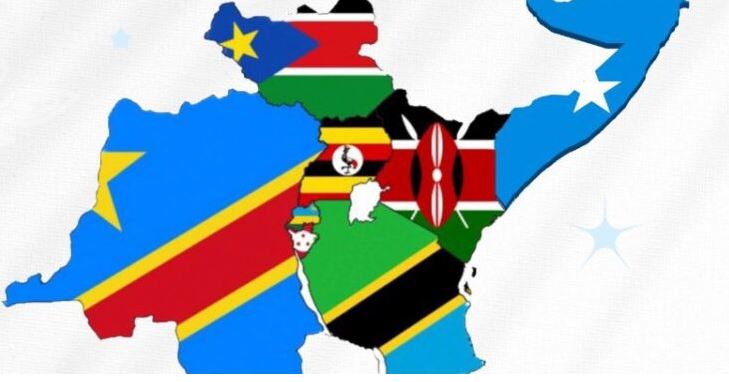
The East African Community (EAC) has finally cut the Gordian knot of its long-standing financial crisis, but the solution comes with a heavy price tag for the region’s largest economy.
In a move that signals a fundamental shift from ‘equal brotherhood’ to ‘proportional responsibility’, the 2026 EAC Heads of State Summit has officially retired the old funding model in favour of a new 50/50 hybrid formula.
For years, the bloc operated on a simple, albeit flawed, principle: Every partner state, regardless of whether it was a $140 billion powerhouse like Kenya or a struggling economy like Burundi, paid the exact same membership fee.
The results were predictable—smaller states fell into millions of dollars of arrears, while the bloc’s ambitious infrastructure projects stalled due to a dependency syndrome on foreign donors.
The great rebalancing
The new formula, set to take effect on July 1, 2026, splits the bill.

Half of the budget will still be shared equally, but the other half will now be assessed based on the size of a country’s GDP.
For Kenya, the region’s economic engine, this is a bitter but necessary pill.
Under the old formula, Nairobi paid the same as Bujumbura. Now, Kenyan taxpayers will shoulder a lion’s share of the operational costs.
This explains the years of diplomatic friction; in 2021, Kenya famously smelt a rat in similar proposals, fearing it would become the region’s permanent ATM.
However, analysts suggest this increased burden comes with a hidden perk: Leverage.

As the primary financier, Kenya is now in a position to demand higher institutional efficiency and perhaps a greater say in the bloc’s strategic direction.
Carrots and sticks for the smaller states
At the other end of the spectrum, Burundi and South Sudan are looking at a historic reset.
The Summit has offered a massive debt haircut—waiving 50 per cent of all existing arrears on the condition that the remaining half is cleared within two years.
This is the carrot. The stick is the newly directed schedule of sanctions.
With fees now adjusted to be more affordable for smaller economies, the EAC is signalling that its patience for non-payment has run out.
States that miss the 2026 implementation deadline risk losing their voting rights or facing total suspension.
The advantage: Trade over cash
Why would Kenya finally agree to pay more? The answer lies in the Non-Tariff Barriers (NTBs).
The narrative analysis of the summit reveals a sophisticated trade-off.
Kenya has effectively agreed to bankroll a larger portion of the EAC Budget in exchange for a hard deadline: June 30, 2026, for the total removal of all reported trade barriers.
For Nairobi, paying more into the Arusha coffers is a strategic investment—it is only worth it if Kenyan trucks can move goods into Tanzania, Uganda, and the DRC without the costly bureaucratic delays that have plagued the corridors for decades.

The middle path
Meanwhile, Tanzania (about $95 billion GDP) and Uganda (about $72 billion GDP) find themselves in the middle tier.
Their contributions will rise moderately, reflecting their steady economic growth.
For them, the focus remains on the Single Customs Territory and the launch of the EAC Customs Bond, ensuring that as they pay more, the movement of cargo becomes cheaper and faster.
As the sun sets on the era of equal contributions, the EAC enters a more mature—if more expensive—chapter.
The success of this deal will not be measured in the millions of dollars collected, but in whether this new ‘wealth tax’ can finally build the high-speed expressways and seamless borders the region has been promised for twenty years.
Recommended Posts


The Tranquility News Reporter/Sub Editor, Tanzania
Patty Magubira is an experienced environmental and business editor whose career started at the Tanzania's state-owned newspaper - The Daily News. He is a man of perfection. Aided by his extensive training as a community forestry expert before joining Tanzania School of Journalism. Magubira had successfully held various key posts in newsrooms, giving him an unmatched connections in media fraternity. Having worked as a bureau chief in Arusha and Mwanza, he managed to build a team work, boosting sales to the highest level ever. He was then promoted to a sub-editor after completing a training in Nairobi, Kenya. His incredible experience, critical thinking and exposure are critical to the quality of any media outlet.


