
Tanzania bets on gas exports to power East Africa as Pipeline plan eyes Kenya, Uganda
The proposal marks Tanzania’s most ambitious regional gas export strategy.
WEDNESDAY July 29, 2026

By Adam Ihucha
The Tranquillity News Correspondent, Zanzibar
Tanzania is laying the groundwork to become East Africa’s natural gas hub, unveiling plans for a cross-border pipeline that would supply gas to Kenya and Uganda, two fast-growing economies seeking cleaner fuels to meet rising industrial and electricity demand.
The proposal, announced by Petroleum Upstream Regulatory Authority (PURA) Director General Charles Sangweni, marks Tanzania’s most ambitious regional gas export strategy yet, potentially opening a new market for one of sub-Saharan Africa’s largest proven natural gas reserves outside Nigeria and Mozambique.
“We are planning a single pipeline to supply natural gas to both Uganda and Kenya,” Sangweni told delegates attending the Second African Youth in Oil and Gas International Conference in Zanzibar, describing the project as part of Tanzania’s broader ambition to position itself as the region’s supplier of cleaner energy.
The announcement comes as East Africa faces rapidly rising energy demand driven by urbanisation, industrialisation, and population growth.
While Kenya has expanded geothermal generation and Uganda is developing oil production, both countries have limited domestic natural gas resources, creating an opportunity for Tanzania to commercialise reserves that have remained largely underutilised for more than a decade.
We are planning a single pipeline to supply natural gas to both Uganda and Kenya,” Petroleum Upstream Regulatory Authority Director General Charles Sangweni.
A regional gas powerhouse
Tanzania has 57.54 trillion cubic feet (Tcf) of proven recoverable natural gas reserves, according to the Ministry of Energy, with more than 49 Tcf located in deep-water offshore discoveries along the southern coastline.
The reserves rank among Africa’s largest and are sufficient to support domestic consumption, regional exports, and a planned liquefied natural gas (LNG) export industry.
At current international benchmark prices, Tanzania’s gas resources represent a potential energy asset worth hundreds of billions of dollars over their productive life, although final economic value will depend on future gas prices, development costs, fiscal terms, and commercially recoverable volumes.
Major discoveries have been made by international energy companies including Equinor, Shell, ExxonMobil, and Pavilion Energy, while existing onshore fields at Songo Songo and Mnazi Bay already supply gas to power plants, industries, and households.
Demand is rising across East Africa
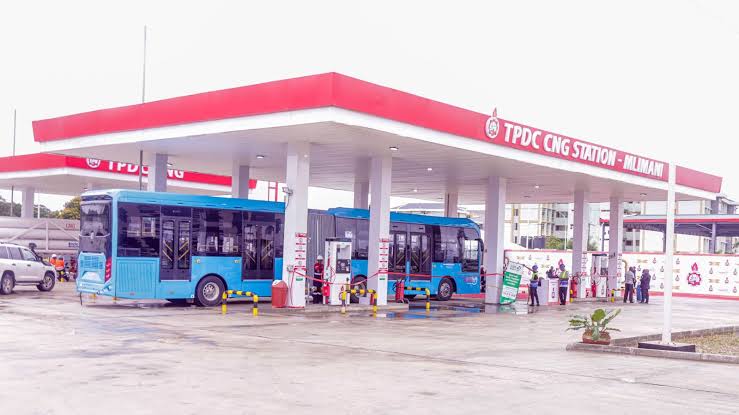
Tanzania is already the region’s largest natural gas consumer, using gas to support electricity generation while supplying cement, steel, fertiliser, and other industries through an expanding domestic pipeline network.

Natural gas consumption has grown steadily to around 200 million standard cubic feet per day (MMscfd), with government projections indicating demand could more than double over the next decade as new industries connect to the national transmission system.
Kenya, despite leading East Africa in geothermal power generation, remains heavily reliant on imported petroleum products for industry and transport.
Natural gas has played only a limited role because the country lacks domestic production and pipeline infrastructure.
However, demand from manufacturers, fertiliser producers, and potential gas-fired power projects is expected to increase significantly if reliable supplies become available.
Uganda is also expected to emerge as a major gas consumer as it industrialises around its growing petroleum sector.

The country has identified natural gas as a transition fuel for electricity generation, fertiliser production, steel manufacturing, and petrochemicals, despite having limited commercial gas reserves of its own.
Together, Kenya and Uganda represent one of East Africa’s largest untapped gas markets, offering Tanzania an opportunity for diversifying beyond domestic consumption and future LNG exports.
Building a regional energy corridor
Although technical details have yet to be released, the proposed project envisions a cross-border transmission pipeline extending from Tanzania’s existing gas infrastructure towards Uganda and Kenya, creating one of East Africa’s most significant regional energy links.
The project would build on Tanzania’s existing 542-kilometre Mtwara–Dar es Salaam Natural Gas Pipeline, commissioned in 2015, which transports gas from production fields in southern Tanzania to Dar es Salaam and industrial consumers.
Energy analysts say the regional pipeline could eventually connect industrial parks, power stations, and major cities, allowing Kenya and Uganda to shift from imported liquid fuels towards more reliable pipeline gas supplies.
No construction timeline, route, financing structure or investment cost has yet been disclosed.
From domestic producer to regional exporter
The proposed pipeline complements Tanzania’s broader ambition to become both a regional gas supplier and a global LNG exporter.
The government is continuing negotiations with international oil companies on the multibillion-dollar Tanzania LNG project in Lindi, which would commercialise offshore gas for export to Asian and European markets.
At the same time, expanding pipeline exports to neighbouring countries would create a second commercial outlet, reducing exposure to global LNG price volatility while strengthening regional energy security.
For Kenya and Uganda, pipeline imports could reduce dependence on expensive petroleum products while supporting lower-emission industrial growth.
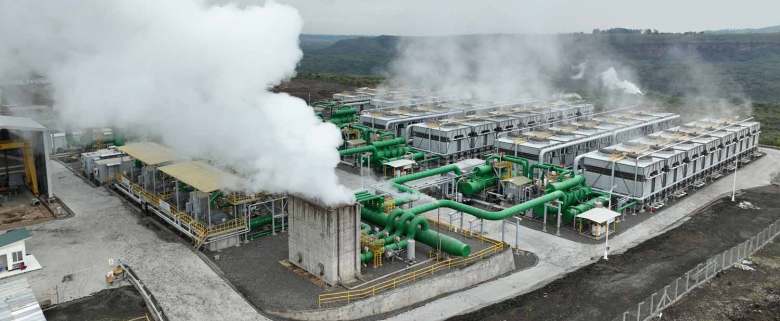
For Tanzania, regional gas exports would strengthen its position as East Africa’s energy hub, generating export revenues, encouraging further upstream investment, and reinforcing its strategic role in the region’s energy transition.
If realised, the project would join a growing network of cross-border infrastructure linking East African economies, alongside the East African Crude Oil Pipeline and regional electricity interconnections.
The development would signal a new phase of energy integration across the region — transforming Tanzania’s vast gas reserves from an underutilised resource into a strategic driver of East Africa’s industrial and economic expansion.
Recommended Posts


Adam Ihucha is a prominent Tanzanian journalist and author recognized for his extensive coverage of tourism, wildlife conservation, and economic issues in East Africa. Based in Arusha, he serves as a senior correspondent for The Tranquility News and is a long-time contributor to eTurboNews (eTN), where he provides global insights into Tanzania's travel industry.
Throughout his career, Ihucha has written for several major publications, including The Guardian (Tanzania) and The EastAfrican. His work frequently highlights the intersection of environmental conservation and economic development, covering critical topics such as anti-poaching initiatives, national park management, and regional trade within the East African Community. His journalism is noted for its advocacy for sustainable tourism and its role in documenting the achievements of Tanzania's tourism sector.
Email contact: ihucha@tranquilitynews.com


