
Tourism industry fights cable car proposal on Kilimanjaro. Here’s why
Players maintain that the mountain’s difficulty is precisely what makes it valuable, suggesting to Tanzania government to consider helicopters instead of permanent cable-car infrastructure.
THURSDAY AUGUST 20, 2026
By Adam Ihucha
The Tranquillity News Correspondent, Tanzania
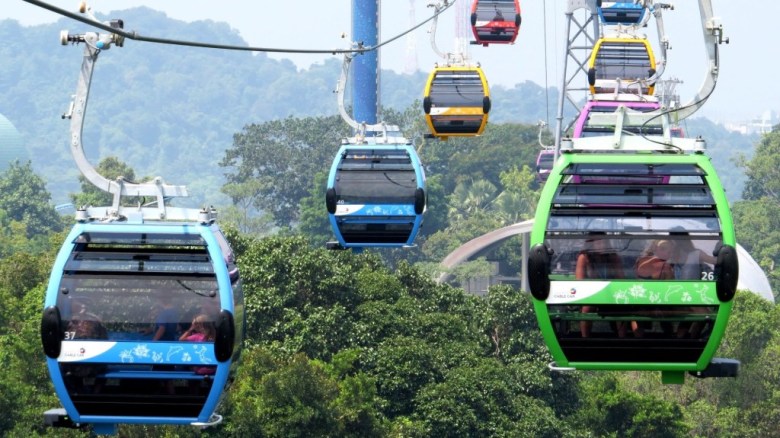
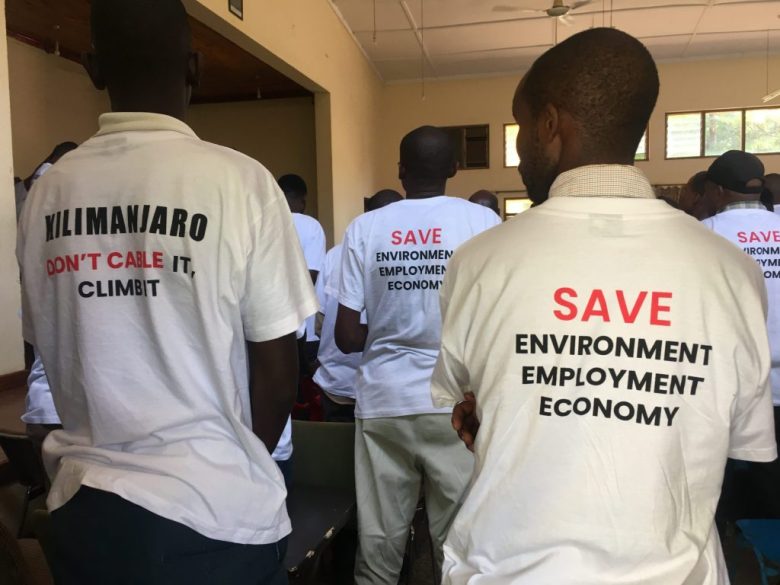
Key tourism stakeholders have strongly opposed a proposed cable-car system on Mount Kilimanjaro, warning that the project could increase visitor numbers while damaging the mountain’s ecological, economic, and cultural value.
The resurrected controversy follows remarks by Tanzania’s Ambassador to France and Permanent Representative to UNESCO Othman Yakubu during his August 19, 2026, visit to Kilimanjaro National Park.
He said the park planned to introduce a cable car and had sought UNESCO approval for a route from Machame Gate to Shira Station.
He said strategies had been developed in Paris to address outstanding issues and secure approval.
Park officials argue that the cable car would open Kilimanjaro to elderly people, children, people with disabilities, and tourists unable or unwilling to undertake the demanding multi-day climb.
It could create day-trip tourism, increase visitor numbers, and improve emergency response.
Kilimanjaro National Park Chief Park Warden, Senior Assistant Conservation Commissioner Angela Nyaki, said rescue operations could become easier, while preliminary preparations had identified Avan Kilimanjaro Limited as the proposed investor.
Tourism stakeholders, however, say the mountain’s difficulty is precisely what makes it valuable.

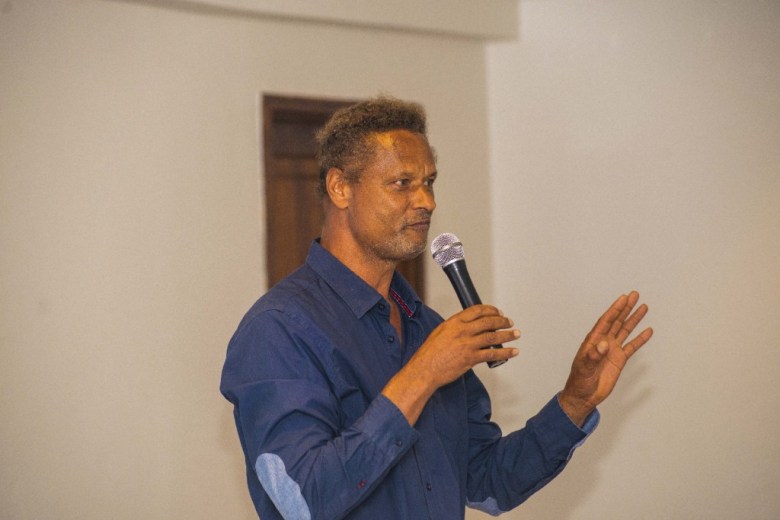
Abraham Meliari, tour operator with Exuberant Kilimanjaro Travel in Moshi and a representative of Kilimanjaro tour operators, argues that visitors are buying a journey—not merely access to a summit.
Trekkers move through forests, alpine landscapes and changing terrain while employing guides, cooks, and porters.
Replacing that experience with mechanical transport could increase arrivals while weakening the tourism product itself.
The revenue argument
Stakeholders cite figures showing that the existing model generates about $887 in government parking fees per tourist per trip.
Under the proposed cable-car model, they say, tourists would pay about $147 per day, while only $20 would go to government as a parking fee—a claimed loss of $867 per tourist.
Their comparison is stark: 200 cable-car visitors paying $20 would generate about $4,000 for government, whereas 50 conventional climbers could generate approximately $44,350.
They say more than 50,000 tourists currently climb Kilimanjaro annually, generating about $44.35 million, or approximately Sh9.75 billion, under their calculations.
A projected 250,000 cable-car visitors, paying $20 each, would generate only about $5 million in government parking fees.
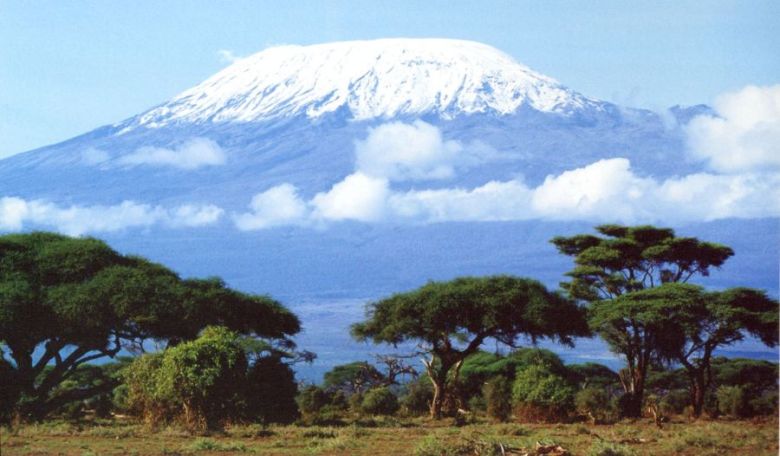
Their argument is, therefore, that a five-fold increase in visitors could produce substantially less direct government revenue.
Jobs at stake
The existing trekking economy also supports thousands of Tanzanians.
Stakeholders say one tourist typically employs one guide, one cook and three porters, while citing approximately 16,640 porters and 3,000 guides, or 19,640 direct workers.
Edson Mpemba, Vice-chairman of the Mount Kilimanjaro Porters Society, warns that the project could threaten those livelihoods.
“For us, this is not only about a cable car. It is about the future of thousands of porters and their families,” he said.
Stakeholders say the Environmental Impact Assessment (EIA) projects only 50 jobs for cable-car and Shira Plateau hotel operations, raising questions about the future of the existing workforce.
Environmental concerns
Stakeholders also cite the retreat of Kilimanjaro’s glaciers: Approximately 32 square kilometres in 1889, 20 in 1912, 11 in 1953 and about 4 in 2003, with further decline reported by 2022.
They argue the EIA does not demonstrate how the project would restore the ice.
They question a proposed five-star hotel at about 3,000 metres, citing potential impacts from construction, water use, waste, and energy consumption.
They also warn that 40 cable cars requiring about 1,000 litres of water each daily could consume roughly 40,000 litres a day, while lubrication leaks and wastewater could threaten mountain water sources.
Other concerns include wildlife disturbance, noise, air pollution from generators during power outages, vegetation loss, and compliance with park regulations restricting activities that alter protected areas.
Investment and national heritage
The proposed investment is cited at $74 million, but stakeholders question the funding source, profitability, and government’s share.
They say projected first-year company profit is about $9,000, while shareholders are reportedly 100 per cent foreign investors.
They fear Tanzania could absorb environmental and social risks while investors retain most benefits and potentially leave behind damaged infrastructure.
They also argue that Kilimanjaro’s glaciers, forests, wildlife, trails, and Uhuru Torch are inseparable from its national identity.
They compare altering the mountain’s defining features to cutting off a person’s head and then attempting to take a passport photograph.
Stakeholders cite Tanzania’s conservation efforts, including tree planting, forest protection, and the relocation of residents from Londosi, where vegetation and water sources reportedly recovered after human pressure declined.
They see a contradiction between those efforts and major infrastructure inside a protected area, recalling wider conservation controversies involving the Serengeti and Ngorongoro Conservation Area.
The alternative
Stakeholders acknowledge accessibility concerns but suggest helicopters carrying up to 10 passengers instead of permanent cable-car infrastructure.
They argue that the same $74 million could potentially purchase more than 40 helicopters, although such an alternative would itself require detailed assessment.
The dispute ultimately concerns what Kilimanjaro should remain: A natural, human-powered adventure or a mass-access tourism attraction.
For opponents, the mountain’s difficulty is not a defect to be engineered away—it is the product tourists pay for.
They warn that Tanzania could increase visitor numbers while reducing government’s revenue, threatening thousands of livelihoods, and permanently altering one of its most important natural symbols.
Their appeal is therefore not anti-tourism.

It is a call to protect the foundation of Tanzania’s mountain tourism: A Kilimanjaro whose forests, wildlife, glaciers, trails, history, and human-powered adventure remain intact for generations to come.
Recommended Posts


Adam Ihucha is a prominent Tanzanian journalist and author recognized for his extensive coverage of tourism, wildlife conservation, and economic issues in East Africa. Based in Arusha, he serves as a senior correspondent for The Tranquility News and is a long-time contributor to eTurboNews (eTN), where he provides global insights into Tanzania's travel industry.
Throughout his career, Ihucha has written for several major publications, including The Guardian (Tanzania) and The EastAfrican. His work frequently highlights the intersection of environmental conservation and economic development, covering critical topics such as anti-poaching initiatives, national park management, and regional trade within the East African Community. His journalism is noted for its advocacy for sustainable tourism and its role in documenting the achievements of Tanzania's tourism sector.
Email contact: ihucha@tranquilitynews.com


