
March 13, 2026
By Elvis Kintu Nsonyi
New York City
Every time news of war reverberates across the globe, my instinct is not to take sides, but to think about dialogue, mediation and the painstaking craft of conflict resolution. Wars represent the ultimate collapse of communication between states and peoples.
My academic exposure to history during my A-Level particularly; European history introduced me to this reality and inspired my admiration for this subject matter.
The modern architecture of global diplomacy was forged in the ashes of the Second World War. This is when the Allied powers convened a series of historic conferences that shaped the postwar order. These were; the Tehran Conference, the Yalta Conference, the San Francisco Conference and later the Potsdam Conference.
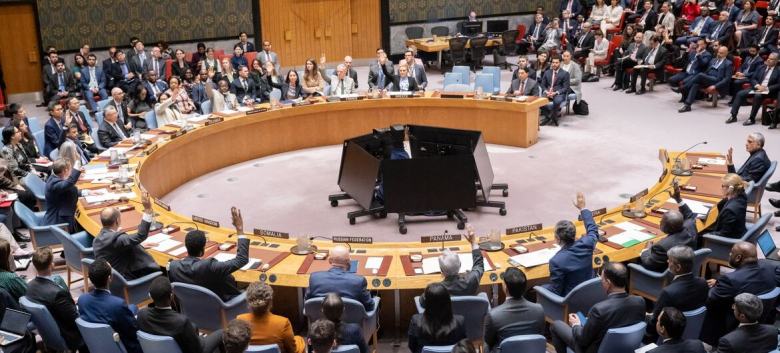
At these meetings, the leaders attempted to craft a framework that would prevent humanity from plunging again into catastrophic war. The outcome was the creation of the United Nations in 1945 for purposes of replacing military confrontation with diplomacy, collective security and international law.
Unfortunately, nearly eight decades later, the world continues to witness wars whose consequences reverberate far beyond their borders. The present tensions surrounding Iran bring to mind the fragility of the global security system!
With a population of over 80 million people and one of the world’s largest reserves of oil and natural gas, the country has long been a focal point of regional rivalries and global strategic interests.
Therefore, any major military confrontation involving Iran inevitably raises profound questions about the resilience of its defense systems and the stability of the region.
When strikes occur or conflicts escalate, they do not merely represent tactical military engagements, they signal a potential widening of hostilities that could engulf multiple states and destabilize global markets.
All wars demonstrate the brutal armed conflict, immense expenditure of financial resources, destruction of infrastructure, loss of productive human capital and generational trauma!
According to estimates from global defense analysts, major regional conflicts can cost participating states tens of billions of dollars annually while simultaneously crippling trade routes, energy markets and humanitarian systems. In many cases, it takes decades for countries to rebuild the infrastructure lost in only a few months of war.
It is precisely for this reason that the disciplines of dialogue, mediation and conflict resolution remain indispensable. In any conflict, there are positions, interests and needs. Positions are what parties publicly demand. Interests explain why they make those demands. But beneath both lie the deeper and often concealed human needs, security, dignity, recognition and survival.
The challenge of mediation lies in uncovering those hidden needs. Once they are understood, seemingly immovable positions can shift dramatically. Yet even that progress introduces new complexities . When positions evolve, negotiations often have to restart entirely.
Diplomacy is rarely a straight path, it is an iterative process requiring patience, humility and persistence. The insights show that sustainable peace is never achieved by military superiority alone. Durable peace requires political courage, institutional frameworks and a willingness among adversaries to recognize each other’s humanity.
History repeatedly reminds us that war is humanity’s most tragic teacher. From the diplomatic gatherings that created the United Nations to the unresolved tensions that continue to haunt the Middle East, the lesson remains painfully clear that military victory rarely delivers lasting peace. True stability emerges only when nations move beyond confrontation and embrace dialogue grounded in mutual security and respect.
Diplomacy, however frustrating and slow, remains the only path capable of preserving both regional stability and global order. In the end, the world does not need more battlefields, it needs more negotiating tables.
If the lessons of history are to mean anything, they must compel today’s leaders to replace the language of missiles with the language of mediation. For in the final analysis, peace is not merely the absence of war, it is the deliberate construction of a world where war becomes unnecessary.
elvisnsonyi@gmail.com
Konrad Adenauer Stiftung Fellow, Dialogue, Mediation and Conflict Resolution


