
Visit East Africa – Feel the Vibe: New tourism brand video unveiled at ITB Berlin 2026 edition
The tourism brand is designed to highlight the region’s shared landscapes, wildlife, and cultures, while allowing each country to showcase its own distinctive attractions.
MONDAY March 9, 2026

By Adam Ihucha
The Tranquillity News Correspondent, Tanzania
From the vast plains of the Serengeti National Park to the snow-capped peak of Mount Kilimanjaro and the mist-covered forests of the Virunga Mountains, East Africa is home to some of the world’s most iconic travel experiences.
Now the region is pitching those destinations not as separate journeys, but as one connected adventure.
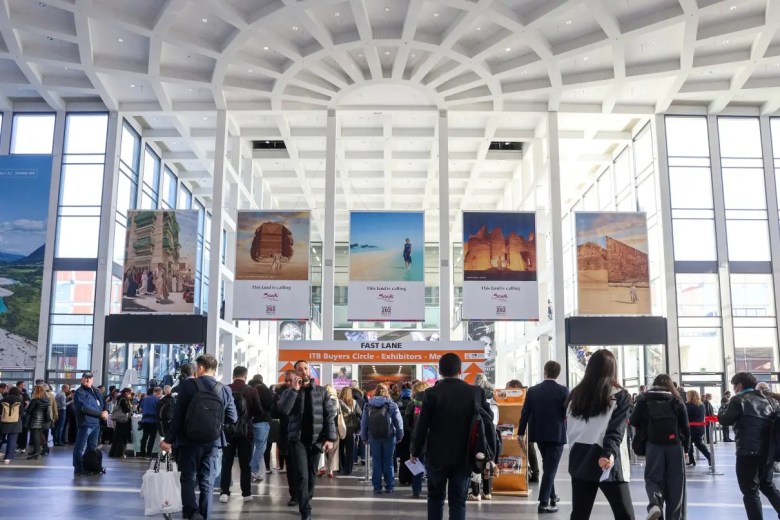
At ITB Berlin 2026 — the world’s largest travel trade fair — the East African Community (EAC) unveiled the first promotional video for its regional tourism brand, Visit East Africa: Feel the Vibe.
The video premiered in Berlin as part of the bloc’s first regional destination pitch at the global tourism event, where officials and industry leaders presented East Africa as a multi-destination travel region rather than a collection of individual markets.
The initiative brings together eight EAC partner states — Burundi, Democratic Republic of the Congo, Somalia, Kenya, Rwanda, South Sudan, Uganda, and Tanzania — in a coordinated effort to promote the region collectively to international travellers.

The tourism brand was first introduced at ITB Berlin 2025 and is designed to highlight the region’s shared landscapes, wildlife and cultures while allowing each country to showcase its own distinctive attractions.
Support for the initiative comes from Deutsche Gesellschaft für Internationale Zusammenarbeit (GIZ) through the LIFTED programme, co-financed by the European Union and Germany’s Federal Ministry for Economic Cooperation and Development.
Tourism’s economic role
Tourism remains one of the most important drivers of trade in services across East Africa.
The multi-billion-dollar industry contributes roughly 17 per cent of export earnings and around 10 per cent of regional GDP, making it a key source of jobs and business opportunities.
“Tourism acts as a multiplier industry,” said Jane Oispuu, Policy Officer at the Representation of the European Commission in Germany, speaking at the Premiere.
“Tourism acts as a multiplier industry,” Jane Oispuu, Policy Officer at the Representation of the European Commission in Germany.
“It supports a wide range of industries — from transport and logistics to finance, digital payments and the creative economy. Tourism connects not only people, but markets and investment.”
Europe continues being one of East Africa’s most important tourism source markets.
In 2024, European travellers accounted for about 28 per cent of visitor arrivals in Kenya, while European companies remain active investors and partners in the region’s tourism ecosystem.
Regional tourism is also rebounding. Visitor numbers across the EAC reached around 9 million in 2025, up from 8.2 million in 2024, representing roughly 8 per cent growth.
A shift toward regional travel
Tourism leaders say the regional approach reflects changing travel trends.
“East Africa is uniquely positioned to respond to this demand — from savannahs and mountains to vibrant cities, coastal islands and rich cultural heritage.”
The new brand aims to make it easier for travellers to imagine journeys that cross borders — for example combining wildlife safaris in Serengeti National Park with visits to Maasai Mara National Reserve, beach holidays along the Indian Ocean coast, or gorilla trekking in the forests of Bwindi Impenetrable National Park.
Shared landscapes, shared tourism
Many of East Africa’s most famous natural attractions already stretch across national boundaries.
According to Amani Shipella, senior programme advisor on wildlife management at the EAC Secretariat, ecosystems such as the Serengeti–Mara, the Kilimanjaro–Amboseli landscape and the Virunga mountain range naturally link destinations across the region.
Travellers today are increasingly looking for experiences that go beyond a single destination,” John Ololtuaa, Kenya’s Principal Secretary for Tourism and Wildlife who doubles as Chair of the East African Community Sectoral Council on Tourism.
“These shared landscapes create strong opportunities for regional tourism circuits and cross-border travel experiences,” Shipella said.
Tour operators are increasingly turning those connections into marketable itineraries.
Packages linking Uganda and Kenya combine wildlife safaris with Indian Ocean beach holidays, while cultural and wildlife routes connecting Rwanda, Tanzania and Uganda are gaining traction among international visitors.
Building global visibility
Beyond the travel trade fair circuit, the EAC is also expanding its digital marketing efforts.
A recent regional campaign promoting the Visit East Africa – Feel the Vibe brand generated more than 9 million impressions across social media platforms, featuring over 60 destination reels and collaborative content with national tourism boards.

Targeted advertising on Meta platforms alone reached more than 3.4 million users, particularly in Europe and North America.
The brand video premiere at ITB Berlin was hosted at the booth of the Tanzania Tourist Board and brought together tourism stakeholders from across the region, including representatives from Tanzania, Kenya, Burundi, Uganda, Rwanda and Somalia, alongside international buyers and travel industry professionals.
As governments and private-sector operators deepen collaboration, the EAC hopes the regional approach will encourage more travelers to explore multiple countries in a single trip.
The goal, officials say, is simple: To position East Africa not just as a series of destinations — but as one of the world’s most compelling travel regions.
Recommended Posts


Adam Ihucha is a prominent Tanzanian journalist and author recognized for his extensive coverage of tourism, wildlife conservation, and economic issues in East Africa. Based in Arusha, he serves as a senior correspondent for The Tranquility News and is a long-time contributor to eTurboNews (eTN), where he provides global insights into Tanzania's travel industry.
Throughout his career, Ihucha has written for several major publications, including The Guardian (Tanzania) and The EastAfrican. His work frequently highlights the intersection of environmental conservation and economic development, covering critical topics such as anti-poaching initiatives, national park management, and regional trade within the East African Community. His journalism is noted for its advocacy for sustainable tourism and its role in documenting the achievements of Tanzania's tourism sector.
Email contact: ihucha@tranquilitynews.com


